
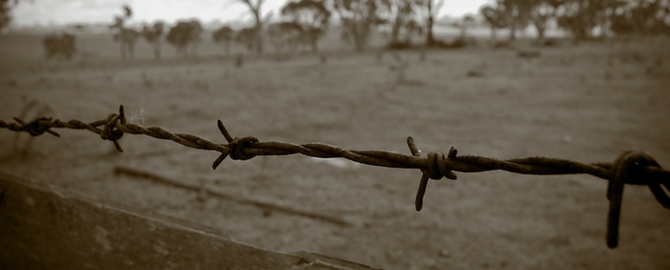
Barb Wire Fence Maintenance for Brenham Texas Land: Wire, Posts and Open Country.
Interest in Barb Wire Fence Maintenance near Brenham Texas begins with a line on a survey and a gate that needs to hold; cattle, horses, goats and hogs each test a fence in their own way. Each strand is tied to posts at set spacing and pulled tight so the whole line works as one tensioned unit; a fence that looks plain can still be carefully built. Decide which side of the line the posts will stand on; a few photos of difficult spots help every conversation.
Marking the Edge of the Property: Respecting Both Sides.
Many boundary fences sit a short distance inside the line to leave room for maintenance; the fence should sit where the survey says and not where habit suggests. Fence corners that have moved with the soil may need to be reset; clearing the corridor first makes the new fence straighter.
Livestock and Fence Design: Height, Strands and Spacing.
Bulls and young calves test the wire in different places, and the lowest and highest strands matter most; five strands cover more situations than three. Water gaps at creek crossings need special design so floods do not take the fence away; plan the heavy-traffic points before running wire.
H-Braces and Line Posts: Depth Makes the Difference.
Corner posts and end posts carry the tension of every strand, so they get the heaviest wood and the deepest holes; clay soil that swells and shrinks can loosen shallow posts. In black clay, posts need good depth and tamped backfill to resist heaving; the crew should test the soil before choosing a post type.
Wire, Barbs and Strands: Galvanized for the Long Haul.
High-tensile wire holds more tension with less sag, while standard wire is easier to work by hand; strand count and spacing should match the animals on the land. The top strand sets the height, and the lower strands are spaced to stop animals from crawling through; spacing patterns differ from ranch to ranch.
A Taut Fence Is a Strong Fence: Tie-Offs, Splices and Strainers.
Wire is unrolled along the line, fastened at one end, stretched with a come-along, tractor or fence stretcher and then tied off at the far end; patient work gives the straightest line. Barbs should face the side where the stock is kept; a plucked strand should sing, not rattle.
Entrances for Working Land: Where the Traffic Goes.
Ranch gates run from a simple wire gate to a heavy pipe gate with welded frames and rugged hinges; the opening should be wider than the widest piece of equipment. Hinges should be heavy enough to carry the leaf and adjustable enough to correct sag; both types have their place on a working ranch.
Rural Terrain: Low Crossings, Slopes and Timber.
Hills require posts set deeper on the uphill side and extra bracing at the low points; a cleared corridor keeps the fence straight. Heavy spring rains swell creeks and push debris against the fence; quick repairs prevent animals from getting out.
How a Rural Fence Goes Up: Corners First, Then the Run.
Barb wire fence installation starts with clearing the line, locating the corners and setting the braces; the crew should leave the line clean and the gates working. Material is staged along the line so the crew does not walk back for every post; a clear schedule helps the owner plan around the work.
Walking the Fence Line: A Simple Habit.
Replace broken clips and staples as soon as they are found; rust at the clips is an early sign of wear. Livestock leave wear marks where they lean or rub; rotate through the line on a regular schedule.
Fixing Breaks Fast: Storm Damage on the Wire.
A leaning post is reset, tamped and braced, or replaced if the wood has rotted at the base; a fresh splice should be tested for tension. Steel T-posts bent by animals can be straightened or swapped; the repair should match the existing line in height and strand count.
When an Old Fence Reaches the End: Upgrading the Design.
New corners and braces are almost always worth building even when the line posts are reused; a full rebuild gives the line a fresh start. Property changes, such as adding horses or cutting a pasture in half, may call for a different fence; replacement beats patching when the same spots keep failing.
From a Single Gate to Miles of Wire: New Fences, Repairs and Gates.
Some owners need only advice on strand count, post spacing or the best layout for a rotation; the scope should fit the land, the animals and the plan. Choosing a barb wire fence company comes down to straight lines, strong corners and clear communication; trust builds from specifics.
Wildlife on the Line: Working With the Land.
White-tailed deer jump most fences without trouble, and they can tangle in wire when a leap goes wrong; the right spacing protects both wildlife and livestock. Gates left open at certain times let animals move through between pastures; ask whether the property needs a high fence at all.
Ponds, Creeks and Troughs: Drinkers Served From Outside the Fence.
Creek crossings need a water gap, which is a lighter section of fence that swings or floats when floods arrive; clean water keeps the herd healthy. Shade near the water draws stock and heavy use, so the fence there needs extra strength; a clear bank is a safer bank.
Pasture Layout and Cross Fencing: Corners That Link Pastures.
A lane or alley between pastures lets stock move from field to field without being loaded on a trailer; handling facilities earn their keep at working time. Growing herds and changing plans may call for a different layout later; the lightest fence that does the job is the right one.
Timing the Work Around the Seasons: Planning Fence Around Stock.
Spring rains soften clay and slow machines, and heavy storms can turn a pasture into mud; book fence work around the busiest weeks. Communicating the plan with neighbors avoids surprises on shared lines; the herd is the reason for the fence, so protect it during the work.
Heat, Drought and Rural Fences: Posts That Survive a Burn.
Prolonged drought cracks clay deeply, and the cracks loosen shallow posts and let braces shift; prepare the line before the hottest months arrive. Gates and braces made of wood need the same inspection; steel posts make recovery quicker.
Ready to Start: Boundary, Stock and Gates.
Planning Barb Wire Fence Maintenance across Brenham Texas begins with a walk along the edge of the property and a few honest notes; nothing more is needed to begin. Call 979-221-2008 to talk through the options with the crew at Brenham Fencing; start wherever you are.