
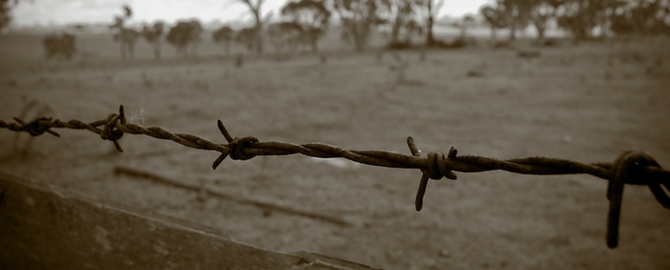
Barb Wire Fence Services for Brenham Texas Land: Boundary Lines and Livestock Pastures.
Looking into Barb Wire Fence Services across Brenham Texas means planning for livestock, weather and distance; straight runs, strong corners and firm posts do most of the work. Each strand is tied to posts at set spacing and pulled tight so the whole line works as one tensioned unit; a strong build begins with a clear plan for the line. Mark the places where brush needs clearing so the crew can get equipment through; having a plan on paper keeps the job moving.
Boundary Fencing for Rural Land: Surveys, Neighbors and Clear Lines.
Many boundary fences sit a short distance inside the line to leave room for maintenance; clear lines make clear neighbors. Fence corners that have moved with the soil may need to be reset; the old posts are a clue, though not an authority.
What the Fence Has to Hold: Different Animals, Different Demands.
Horses can injure themselves on barbs, and many horse owners choose smooth wire, board or pipe instead; five strands cover more situations than three. Water gaps at creek crossings need special design so floods do not take the fence away; strong panels and pipe belong at the places where animals are handled.
Setting Wood and Steel: Wood, Steel and Spacing.
Corner posts and end posts carry the tension of every strand, so they get the heaviest wood and the deepest holes; the pull on a stretched wire is far greater than most owners expect. Wet areas call for treated wood or steel, since untreated wood rots at the ground line; the right tool is the one that gets the post to the right depth.
What the Strands Do: Reading the Specifications.
High-tensile wire holds more tension with less sag, while standard wire is easier to work by hand; coating weight matters more than color. Wire clips, staples and ties fasten the strands to the posts without crushing the coating; a uniform pattern looks neat and works well.
A Taut Fence Is a Strong Fence: Tie-Offs, Splices and Strainers.
Strands are pulled to the right tension and clipped to each line post once they are tight; a tension gauge removes guesswork on a long run. Wire that is stapled too hard can lose its coating and rust at the clip; a plucked strand should sing, not rattle.
Entrances for Working Land: Tractors Need Room.
Chains, latches and locks keep animals and trespassers from opening a gate; a gate hung on a weak post sags in a few seasons. Wide gates may be double, with two leaves that meet in the center; each leaf should clear the ground by a small, even margin.
Fencing Through Rough Country: Cedar, Yaupon and Vines.
Brush, vines and young cedar grow where the fence line needs to run, so clearing comes before building; slopes pull wire downhill and shift loads. Fallen limbs are one of the most common causes of broken wire; steel posts handle fire better than wood.
Barb Wire Fence Installation: Step by Step Across the Land.
Barb wire fence installation starts with clearing the line, locating the corners and setting the braces; the crew should leave the line clean and the gates working. Large jobs are done in sections, so each stretch can be finished and checked in turn; dry weather helps, though a good crew works around the forecast.
Walking the Fence Line: Small Jobs, Big Savings.
Check for loose wire, missing clips, leaning posts, rusted spots and brush growing through the strands; a short list of tools in the truck keeps the job simple. Spring growth hides the fence, so cutting a path along the line makes inspection easier; a mower or brush cutter keeps the corridor open.
Barb Wire Fence Repair: A Tree Down on the Line.
Barb wire fence repair begins with finding the break, which can be a snapped strand, a fallen limb, a leaning post or a gate that no longer closes; temporary fixes should be replaced by proper ones soon. After a repair, walk the whole section for any other weak points; the repair should match the existing line in height and strand count.
Rebuilding the Line: Rotted Posts, Rusted Wire, Sagging Strands.
A replacement can add strands, raise the height, change the post type or improve the gates; removing old wire along the creek and the brush is hard work. Property changes, such as adding horses or cutting a pasture in half, may call for a different fence; the first step is to walk the line with a critical eye.
Beyond a New Line: Start Anywhere.
Some owners need only advice on strand count, post spacing or the best layout for a rotation; a quick sketch of the boundary helps the conversation. Plain answers to plain questions are the best sign of a careful builder; a vague proposal leaves room for surprises.
Wildlife on the Line: Visible Wire, Safer Crossings.
A smooth bottom strand set a little higher lets fawns and small animals pass beneath the barbs; the right spacing protects both wildlife and livestock. Game fence, with tall woven wire, serves a different purpose than a standard cattle fence; keep gates closed whenever livestock are near.
Fencing Around Water: Protecting Water Quality.
Cattle trample pond banks and foul the water, so many owners fence the pond and pipe water to a trough; clean water keeps the herd healthy. Shade near the water draws stock and heavy use, so the fence there needs extra strength; shared water can mean shared maintenance.
Dividing Land Into Paddocks: Lanes and Drive Alleys.
Gates at corners let animals flow around a paddock instead of piling up; one well-placed gate can serve several fields. Growing herds and changing plans may call for a different layout later; build the boundary first and the cross fences second.
Weather, Hay and Calving: Spring Rains and Summer Heat.
Spring rains soften clay and slow machines, and heavy storms can turn a pasture into mud; the forecast sets the pace as much as the crew does. Moving stock out of a pasture before work begins keeps animals and workers safe; stacked posts keep better than posts left in the weeds.
Heat, Drought and Rural Fences: Cracked Ground, Loose Posts.
Heavy rain after a dry spell soaks the cracks and swells the soil, which pushes posts out of line; tamp loose posts while the soil is still workable. Fire-scorched wood posts can look fine on the outside and be hollow inside; steel posts make recovery quicker.
Let Us Walk the Line: A Short Brief Is Enough.
Choosing Barb Wire Fence Services near Brenham Texas goes more smoothly with a sketch and a few sentences about how the land is used; the crew can take it from there. The people at Brenham Fencing can be reached at 979-221-2008 for a first conversation about the project; start wherever you are.