
Fence Painting Services Near Brenham Texas: Prep, Color and Protection.
Interest in Fence Painting Services near Brenham Texas begins with a walk along the fence and a look at what the sun and rain have done; a good finish is preparation first, with a thin coating on top. A fence that has never been finished needs different handling from one that has peeled for seasons; the old coating decides what can go on top. Walk the fence in daylight and look for gray, splintered boards, loose pickets, popped nails and green patches; those clues set the plan for the whole job.
Painting, Staining or Sealing: Matching the Product to the Goal.
Semi-transparent stain adds color while letting the grain and knots stay visible; the finish chosen sets the upkeep for seasons to come. Primer helps paint grip bare wood and stops tannins in cedar from bleeding through; read the label for the surface the product was made to cover.
Washing, Scraping and Sanding: Why Prep Takes the Longest.
A soft wash with a cleaning solution handles mildew without damaging the grain; a good finish cannot cover a poor surface. Loose boards are nailed or screwed back in place, and rotted pickets are replaced before any coating goes on; tying back a vine takes minutes.
When the Fence Is Ready: The Best Seasons for Finishing.
Wood that is damp soaks up little finish, and the coating can trap water inside the board; many labels set a safe temperature range for use. Working in the shade or on the cool side of the day helps stain absorb evenly; the crew plans around the weather and not against it.
How Staining Works: Absorption Is the Secret.
Transparent stain barely changes the color of the wood, while semi-transparent stain adds a warm tone and solid stain nearly hides the grain; the old finish limits how dark the new color can go. A sample on the least visible section shows how the color settles; a matching top rail finishes the look.
A Painted Fence Step by Step: Tight Joints and Sharp Edges.
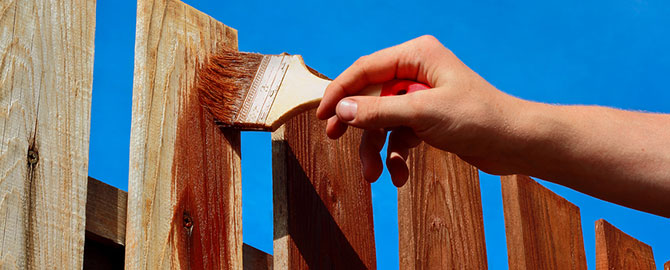
A sprayer covers pickets quickly, a roller works well on flat panels, and a brush cuts in around edges and hardware; primer is the layer that makes the paint stick. Gates and hardware are masked or painted separately so they keep working; hardware that sticks was probably painted over.
A Clear Coat on Wood: Sun Protection in a Can.
Clear sealers keep the natural look of fresh cedar or treated pine for a season or two before needing a refresh; re-sealing is easier than stripping and refinishing. Sealer applied over a damp board can trap moisture and cloud the finish; a light cleaning between coats keeps the finish looking fresh.
Fence Staining Services: Scope Matched to the Fence.
Decks, pergolas and railings beside the fence can be finished in a matching color; describing the fence in plain terms leads to the right scope. Gates and hardware can be done on the same schedule; staging the work around the forecast keeps the finish dry.
What to Ask Before Hiring: Details Behind the Coat.
Ask which products will go on the fence and what the label says about weather and surface; trust grows from specifics. Samples of color on the actual fence beat small paint chips; a plan for upkeep helps the finish last.
Neighborhood Standards for Fence Finishes: Fading and Heat Gain.
A fence color that echoes the trim or the front door ties the property together; a fence in direct sun fades faster whatever the shade. A neighbor shares one side of the fence, so a courteous word before work begins is wise; agreeing on the shared side avoids disputes.
Easy Upkeep for a Finished Fence: A Simple Seasonal Habit.
Sprinklers aimed away from the fence keep the boards drier between rains; a fence in full sun may need attention sooner than one in shade. Posts and bottom rails stay damp the longest and rot first; few chores pay off like keeping water off the wood.
Wood Types and Their Habits: Why Species Matters.
Southern pine is the usual wood for treated fences, and it drinks up stain once it has dried out; each wood has a product that suits it. Weathered cedar turns silver gray, and washing with a brightener brings the warm color back; movement is normal, and a good finish moves with it.
What Is Already on the Boards: Peeling Paint and Faded Stain.
Heavy buildup that has failed everywhere may need chemical stripping or sanding to bare wood; a fresh coat over a failing layer fails again. Semi-transparent stains can be darkened with another coat but never lightened; plan the color with the existing finish in mind.
Application Methods: Speed Versus Control.
Airless sprayers cover long runs of fence quickly, but overspray has to be controlled with masking and a steady hand; wind speed decides whether spraying is wise. Wipe drips and runs right away, before they dry into the surface; mistakes are easiest to fix while the coating is wet.
Protecting Plants, Lawn and Neighbors: Water Runoff From Washing.
Drop cloths catch drips on patios, walkways and grass; the best job leaves no trace except a handsome fence. Pets and children stay clear of the work area until the finish has dried; a note to the neighbor is a polite first step.
Gates, Posts, Caps and Hardware: Details That Make It Look Professional.
Post tops take the worst of the weather, so end grain gets extra coats or a cap that sheds water; the top of a post is the first place to fail. A small brush handles tight corners and tricky joints; patience on the details pays off.
Staining a Brand-New Fence: Weeks, Not Days.
Waiting a few weeks in good weather lets the wood settle before the first coat; the first finish sets the pattern for the life of the fence. Fences built next to sprinklers or shade take longer to dry; damp spots tell you to wait a little longer.
Green Growth on the Fence: Stopping Regrowth.
Cleaning solutions made for wood kill the growth, and a soft brush lifts it from the grain; dry boards are happier boards. Sprinklers that hit the fence feed mildew and wash away finish; adjusting a sprinkler head solves many problems.
Day by Day on the Fence: Walk-Through at Each Stage.
The first visit is a walk along the fence to note the boards, the old finish and the surroundings; a short list at the end covers anything missed. The crew stays flexible so each coat goes on under good conditions; counting both sides of the fence helps when planning.
Planning Your Fence Finish in Brenham Texas: Wood, Color and Timing.
Anyone ready to move ahead on Fence Painting Services in Brenham Texas can start with the wood, the old finish and the look they want; questions are welcome at every stage. Reach the team at Brenham Fencing on 979-221-2008 with questions about prep, stain or color; the first step is a conversation.