
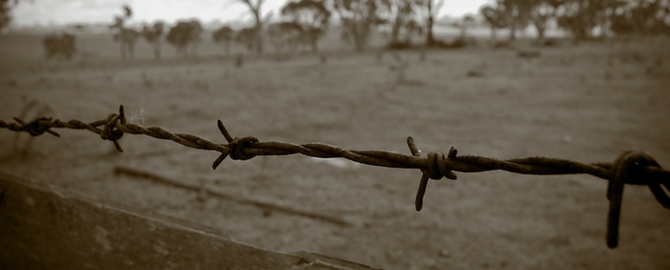
Barb Wire Fence Company Around Services: Ranch Lines Built to Last.
A landowner weighing Barb Wire Fence Company around Services is protecting a boundary, a herd or a hay field; straight runs, strong corners and firm posts do most of the work. Strands of twisted wire with sharp barbs spaced along them teach livestock to respect the line; a fence that looks plain can still be carefully built. Think about where gates need to go for tractors, trailers and cattle; small decisions at this stage shape the whole project.
Ranch Boundary Lines: Respecting Both Sides.
Corner posts are set at the points where the line changes direction; the fence should sit where the survey says and not where habit suggests. Overgrown brush may need to be cleared before the line can be walked; clearing the corridor first makes the new fence straighter.
Pasture Fencing for Every Herd: Different Animals, Different Demands.
Horses can injure themselves on barbs, and many horse owners choose smooth wire, board or pipe instead; five strands cover more situations than three. Water gaps at creek crossings need special design so floods do not take the fence away; a hot wire is a useful supplement, not a substitute for good posts.
The Backbone of a Rural Fence: Wood, Steel and Spacing.
Steel T-posts are driven into the ground and are quick to install along a straight line; clay soil that swells and shrinks can loosen shallow posts. In sandy or rocky ground, a post may need extra depth or concrete to stay in place; the crew should test the soil before choosing a post type.
What the Strands Do: Reading the Specifications.
Galvanized coating protects the steel from rust, and heavier coatings last longer in wet climates; strand count and spacing should match the animals on the land. Barbs are spaced a few inches apart so that every point along the wire discourages stock; spacing patterns differ from ranch to ranch.
A Taut Fence Is a Strong Fence: Tools, Order and Patience.
Wire is unrolled along the line, fastened at one end, stretched with a come-along, tractor or fence stretcher and then tied off at the far end; each strand should be set before the next one goes on. Cutting wire with the wrong tool can leave a ragged end that injures animals; the way the wire is fastened tells a lot about the crew.
Entrances for Working Land: Choosing the Right Opening.
Ranch gates run from a simple wire gate to a heavy pipe gate with welded frames and rugged hinges; the opening should be wider than the widest piece of equipment. Gaps near creeks may need a swing gate with a floodable bottom; a latch that works in the dark is a good test.
Ground Conditions Along the Line: Low Crossings, Slopes and Timber.
Creek crossings need water gaps that can swing open or wash through in a flood; a fence built to give way in a flood is easier to restore. Fallen limbs are one of the most common causes of broken wire; steel posts handle fire better than wood.
How a Rural Fence Goes Up: Corners First, Then the Run.
Line posts are set or driven at even intervals along a string line stretched between the corners; small adjustments at the end make a big difference. Open pasture goes quickly, while wooded stretches take longer; a clear schedule helps the owner plan around the work.
Walking the Fence Line: A Simple Habit.
Tighten strands that have gone slack with a stretcher or a quick splice; gates, corners and creek crossings get checked first. Hog rooting along the line can undermine posts and wire; rotate through the line on a regular schedule.
Mending Wire, Posts and Gates: A Tree Down on the Line.
A broken strand is spliced with a tight wrap or a sleeve after the ends are pulled together; a fresh splice should be tested for tension. Steel T-posts bent by animals can be straightened or swapped; the repair should match the existing line in height and strand count.
Rebuilding the Line: Reusing What Is Sound.
Sound posts can be reused where they are straight and firm, and weak ones are pulled and replaced; an honest look at the old fence guides the decision. Property changes, such as adding horses or cutting a pasture in half, may call for a different fence; scrap metal is worth taking to a recycler.
Beyond a New Line: New Fences, Repairs and Gates.
Crews that build rural fence can also set corner assemblies, hang pipe gates and install cattle guards; the work should leave the land ready for use. Ask how corners are built, how deep posts are set and how wire is stretched and tied; a vague proposal leaves room for surprises.
Keeping Native Animals Safe: Visible Wire, Safer Crossings.
White-tailed deer jump most fences without trouble, and they can tangle in wire when a leap goes wrong; the fence is meant to hold cattle, not to trap anything else. Wildlife corridors cross many rural properties, and gaps in the line can be left on purpose; a gap at a creek crossing can serve as a natural path.
Ponds, Creeks and Troughs: Protecting Water Quality.
Creek crossings need a water gap, which is a lighter section of fence that swings or floats when floods arrive; clean water keeps the herd healthy. Clearing brush along the water edge makes the line easier to inspect; plan the layout of water before the wire goes up.
Working Pens and Alleys: Corners That Link Pastures.
Gates at corners let animals flow around a paddock instead of piling up; handling facilities earn their keep at working time. Hay fields need fences that keep stock out until the grass is cut; the lightest fence that does the job is the right one.
Scheduling Fence Work on a Ranch: Spring Rains and Summer Heat.
Spring rains soften clay and slow machines, and heavy storms can turn a pasture into mud; planning early gives the best choice of dates. Communicating the plan with neighbors avoids surprises on shared lines; the herd is the reason for the fence, so protect it during the work.
Fire, Drought and Fence Lines: Clear Corridors Slow the Spread.
Prolonged drought cracks clay deeply, and the cracks loosen shallow posts and let braces shift; burn permits and county rules apply to controlled burns. Gates and braces made of wood need the same inspection; fire-weakened wire should be replaced rather than patched.
Let Us Walk the Line: Bring the Survey, Bring the Questions.
Anyone ready to move ahead on Barb Wire Fence Company in Services can start with the boundary, the stock and the gates; a clear brief leads to a clear plan. Get in touch with Brenham Fencing at 979-221-2008 and share what the fence needs to hold; no commitment is needed to ask a question.