
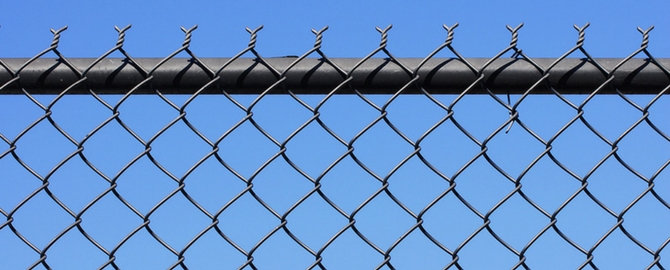
Chain Link Fence Installation for Services Properties: Wire That Works Hard
Brenham Fencing puts up the plain, tough fence that marks a line, keeps pets in and keeps the view open, from a short garden border to a long perimeter.
Call 979-221-2008 and describe the area you want enclosed.
Anatomy of a Wire Fence – Why the Design Works
Most of the time, steel posts hold the mesh at set intervals, with heavier posts at the corners, ends and gates where the pull is greatest, and that is why the pieces have to be installed in the right order.
The Practical Case – Practical Everywhere
Generally speaking, it works on slopes and around curves, since the mesh can be stretched along the ground and bent around corners, which is why it shows up in yards, parks, schools and businesses alike.
Reading the Specifications – Diamond Size and Wire Thickness
In plain language, lower gauge numbers mean thicker wire, which is a little confusing until you see the two side by side, and spending the effort on the right weight avoids replacing the fence early.
Color and Corrosion: Blending In or Standing Out
On a typical job, bare steel left unprotected will rust quickly, so the finish is more than decoration, and a damaged coating is worth touching up to keep rust out.
How a Wire Fence Goes Up: Posts, Rail, Mesh, Tension
Most of the time, chain link fence installation begins at the corners, where the heaviest posts are set deep in concrete and given time to cure, and a tension wire along the bottom keeps animals from pushing underneath.
The Pull at the Ends: Heavier Steel, Deeper Footings
As things usually go, corner posts handle force from two directions, and need extra bracing to stay upright under tension, and this is the most common place for a rushed installation to fall short.
Chain Link Fence Maintenance – What to Check
Stated simply, chain link fence maintenance can include touching up coating that has been scratched, and a dab of coating on a bare spot slows corrosion considerably, so there is no need to paint or stain anything.
Mending Mesh, Posts and Gates – Patching Holes
As most owners find, chain link fence repair often means re-stretching a section of mesh, since mesh loosens over time as ties stretch and posts shift, and a fence that keeps coming loose may have a footing problem worth checking.
Starting Over – A Chance to Upgrade
In most cases, when posts are bent, loose or rotted at the base, chain link fence replacement offers the chance to move up to heavier wire, and the old materials are hauled away before the new fence is set.
The Moving Part of the Fence – Think About Traffic
By and large, heavy gates need strong hinges and a firm frame, and the posts on both sides are set deeper to carry the weight, and the swing of the gate needs clear ground in front of it.
Making Chain Link Less See-Through: Options After the Fact
In plain language, plastic or aluminum slats weave through the mesh to give a semi-solid look, so the posts and bracing should be sized for the added load.
Pets, Pools and Play Areas – Latches That Close Themselves
Seen up close, a small dog can squeeze under a loose bottom edge, so a tension wire or a buried edge is a common precaution, so it helps to describe the household at the first visit.
Security Around Buildings and Yards – Added Barbed or Razor Options
In most cases, a construction site often calls for a temporary or movable layout that can be taken down again, and extra top strands are sometimes added for extra deterrence.
Choosing a Chain Link Fence Company – Details Behind the Wire
Usually, a thoughtful chain link fence company walks the property and notes the slopes, the corners and the likely trouble spots, so it is worth listening for details instead of slogans.
What Chain Link Fence Services Include: New Lines, Repairs, Extensions
Put simply, chain link fence services reach from a short garden line to a long perimeter, and the work is explained plainly before it begins, and that keeps the process easy to follow.
Planning the Footprint – Posts at Even Intervals
On a typical job, a boundary layout starts by finding the corners and the ends, and everything else is spaced from those fixed points, because moving a footing later is never as easy as moving a stake.
Surveys, Rules and Neighbors – Height Limits Vary
For most properties, before digging along a boundary, the owner should confirm the line using a survey or marked corner pins, and it takes only a few phone calls to be sure.
Setting Posts in Local Soil: Concrete Collars That Shed Water
Usually, rocky ground can force a change in the digging method, such as drilling or breaking through, and a concrete collar shaped to shed water protects the steel.
Weather and Wire: What Ages First
To put it plainly, grass clippings leaves and windblown litter collect along the bottom edge and hold moisture against the wire, which keeps small problems from turning into big ones.
Cleanup and Final Check: Nothing Left to Chance
On a typical job, when the mesh is tied off, a careful installer walks the whole line looking for slack, sharp ends and uneven tops, and sharp wire ends on top are bent over or capped for safety.
The Hardware You Rarely Notice: Matching Parts to the Mesh
For most properties, tension bands and brace bands clamp the mesh and the braces to the terminal posts with real force, and attention to these little pieces is the sign of a careful installer.
A Quick Inspection: Honest Assessment
As things usually go, grab the top rail and shake it, and a post that moves in the soil or a rail that rattles points to a weak footing, and results are easy to explain without much jargon.
What We Bring to Chain Link Fence Installation in Services
Our crew approaches Chain Link Fence Installation in Services with close attention to anchors and tension, because a wire fence only stays tight if it is anchored properly.
Chain Link Fence Installation for Services Properties – Let Us Look at Your Boundary
Call 979-221-2008 and we will arrange a time to walk the line together.
When the Boundary Is Not Flat: Chain Link Bends Where Others Do Not
In everyday terms, across a ditch or a gully, the fence may span the low spot with a longer post or a short section of its own, and a thoughtful layout keeps the fence tight even on rough terrain.
Time to Mark the Boundary: A Short First Visit
As most owners find, when you are ready to retire a sagging fence, our crew can explain how Chain Link Fence Installation would work on your own land, with 979-221-2008 ready when you are.