
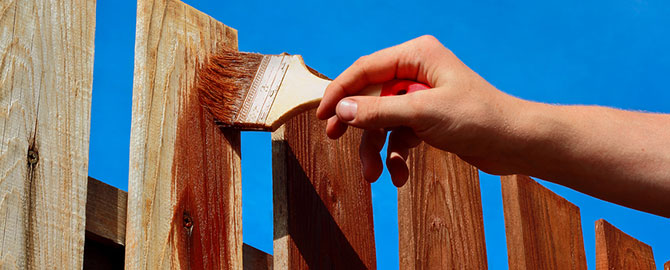
Fence Staining Company Across Services: Prep, Color and Protection.
Looking into Fence Staining Company across Services means thinking about preparation, product and weather together; every fence has a story that its surface tells. Paint forms a film on the surface of the wood, stain soaks into the grain, and a clear sealer repels water without adding color; a small test patch answers many questions. Note which side of the fence faces the afternoon sun; those clues set the plan for the whole job.
Three Ways to Finish a Fence: Matching the Product to the Goal.
Solid stains sit between paint and stain, with rich color and a thinner film; each choice sets how much effort the upkeep will take. Mildew-resistant additives slow the green growth that humid summers encourage; ask the crew which brand they trust and why.
Where a Good Finish Starts: Why Prep Takes the Longest.
Scrapers, wire brushes and sanders remove peeling paint down to a sound edge; prep takes more hours than the painting itself. Gaps and cracks in rails can be filled with exterior wood filler; good housekeeping keeps the job neat.
Weather Rules for Wet Wood: New Wood Takes Time.
Morning dew can spoil a coat applied too early, and midday sun can dry a coat too quickly; rain within a day of finishing can streak the surface. Working in the shade or on the cool side of the day helps stain absorb evenly; check the forecast the night before as well as the morning of.
How Staining Works: Color That Lets Wood Show Through.
Two thin coats applied wet-on-wet give more depth than one thick coat; sprayed stain is brushed in before it dries. Cedar, pine and cypress each take stain differently, so the same color looks different on each; try the color on the actual fence before committing.
A Painted Fence Step by Step: Long-Lasting Surface Protection.
Exterior acrylic paint holds up to sun, rain and movement better than interior paint; a second coat goes on only after the first has dried hard. Vinyl fences can be painted with products made for vinyl, and dark colors can warp the panels by absorbing heat; the surface decides the paint.
Sealing the Fence: End Grain and Edges.
Sealers and stains can come in one product, which saves a step; re-sealing is easier than stripping and refinishing. Fences in shade grow mildew faster, and fences in full sun fade and crack faster; plan the upkeep around the side of the fence that gets the worst weather.
Fence Staining Services: A Clear Plan Before the Brush.
Fence staining services cover washing, light repairs, sanding, staining and sealing for fences of every size; combining finishing with repairs saves trips. Fences with several sections can be finished in stages to fit the weather; a short walk-through at the end confirms the result.
Marks of a Careful Finisher: Look Past the Color.
A good fence staining company can explain the washing method, the product, the number of coats and the drying time; trust grows from specifics. Samples of color on the actual fence beat small paint chips; ask for the color on a hidden board first.
Color, Heat and Neighborhood Rules: Light, Dark and Natural.
Natural wood tones fade into landscape and hide small flaws; look at the sample at different times of day. Sample boards leaned against the fence show how colors look beside the house; a sample board is a small investment that prevents big regrets.
Maintenance Between Coats: Fading, Peeling and Mildew.
Faded stain can be refreshed with a maintenance coat after cleaning, with no need to strip the old finish; do the water test each season. Gates get the most handling, so their finish wears first; a quick look at the base tells you a lot.
What the Species Wants: Tannins, Resin and Grain.
Hardwood fences are dense and need products that can penetrate tight grain; knots can bleed resin and need a sealing coat. Wet wood swells and dry wood shrinks, so boards move through the seasons; a little prep respects the grain.
Refinishing an Old Fence: Test Before You Coat.
Sound coatings that are only faded can be cleaned and recoated in a single step; a clean start gives the longest-lasting result. Gray, weathered wood takes stain unevenly until it is cleaned and brightened; cleaning first evens out the absorption.
Equipment for Even Coverage: Airless, Pump and Hand.
Pads and mitts help with tops, ends and hardware; the best crews use more than one tool on the same fence. Keep a wet edge when moving from board to board to avoid lap marks; mistakes are easiest to fix while the coating is wet.
Overspray and Runoff: Pets and Children.
Cars and outdoor furniture are moved out of the spray zone; the best job leaves no trace except a handsome fence. Open gates and doors that face the fence are closed while spraying; safe habits protect people and property.
Small Parts, Big Difference: Details That Make It Look Professional.
Hinges, latches and wheels are masked or removed so paint never gums them up; a flexible coating handles movement better than a hard one. Gate latches should be tested after the finish is dry; work on a bench is faster and neater than work on a ladder.
How Long to Wait: Weeks, Not Days.
Smooth mill glaze on fresh lumber can block stain, so a light wash or sanding opens the surface; a moisture meter gives a firm answer. An unfinished fence graying in the sun is still serviceable, and the wood can be cleaned and finished later; a first coat now can mean fewer repairs later.
Dealing With Mold and Mildew: Shade, Sprinklers and Still Air.
Cleaning solutions made for wood kill the growth, and a soft brush lifts it from the grain; dry boards are happier boards. Trees that shade the fence keep the damp in; the cause matters as much as the cleanup.
From Walk-Through to Final Coat: Wash, Dry, Repair, Coat.
Repairs and sanding happen once the boards are dry and before any product opens; each step depends on the one before. Small fences can be finished in a day or two once the wood is ready, and long perimeters take longer; the owner can help by keeping gates clear.
Next Steps for Your Fence: Bring the Photos, Bring the Questions.
Anyone ready to move ahead on Fence Staining Company in Services can start with the wood, the old finish and the look they want; questions are welcome at every stage. Dial 979-221-2008 and describe the fence to Brenham Fencing in your own words; start wherever you are.