
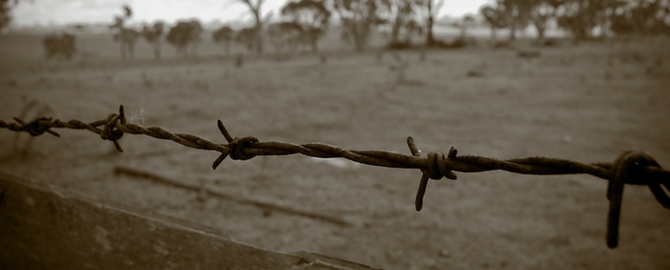
Barb Wire Fence Company Across Brenham Texas: Boundary Lines and Livestock Pastures.
Planning Barb Wire Fence Company in Brenham Texas starts with what the fence has to turn back and how far it has to run; the best fence for the job is the one that matches the animals and the ground. Each strand is tied to posts at set spacing and pulled tight so the whole line works as one tensioned unit; the barbs deter stock, and the posts hold the wire in place. Mark the places where brush needs clearing so the crew can get equipment through; a clear walk-through saves hours of guessing later.
Boundary Fencing for Rural Land: Respecting Both Sides.
A boundary fence marks where one property ends and the next begins, so the line has to be located before the first post goes in; clear lines make clear neighbors. Fence corners that have moved with the soil may need to be reset; the old posts are a clue, though not an authority.
Pasture Fencing for Every Herd: Height, Strands and Spacing.
Horses can injure themselves on barbs, and many horse owners choose smooth wire, board or pipe instead; the type of animal sets the height and the spacing. Water gaps at creek crossings need special design so floods do not take the fence away; floods can lift a fence that is not built to release.
Posts and Corner Bracing: Depth Makes the Difference.
Steel T-posts are driven into the ground and are quick to install along a straight line; the pull on a stretched wire is far greater than most owners expect. In black clay, posts need good depth and tamped backfill to resist heaving; the ground line is where posts fail first.
What the Strands Do: Reading the Specifications.
Galvanized coating protects the steel from rust, and heavier coatings last longer in wet climates; humid summers wear down thin galvanizing quickly. The top strand sets the height, and the lower strands are spaced to stop animals from crawling through; the details of fastening affect how the fence ages.
Pulling the Wire Tight: Not Too Tight, Not Too Loose.
Splices join two lengths of wire with a tight wrap or a crimped sleeve; the stretch is the stage that tests the corners. Wire that is stapled too hard can lose its coating and rust at the clip; the fence should be checked for tension again after a few weeks.
Openings in the Fence Line: Where the Traffic Goes.
A cattle guard is a set of steel rails over a pit that lets vehicles cross but stops stock; a gate that drags is a gate that gets left open. Wide gates may be double, with two leaves that meet in the center; the entrance sets the first impression of the property.
Creeks, Hills and Brush: Cedar, Yaupon and Vines.
Hills require posts set deeper on the uphill side and extra bracing at the low points; a fence built to give way in a flood is easier to restore. Winter cold snaps are short, yet wet and dry swings still move shallow footings; a fence built to local conditions suffers less.
The Installation Sequence: Step by Step Across the Land.
The strands are then rolled out, pulled tight and fastened to every post; a tight string line keeps the posts honest. Rain delays are common, since wet ground slows machines and makes clay hard to work; planning the delivery of materials saves time on site.
Barb Wire Fence Maintenance: Tension, Posts and Gates.
Clear vines and limbs that lean on the wire and pull it down; a short list of tools in the truck keeps the job simple. Wet months show where water pools or erodes the base of posts; a mower or brush cutter keeps the corridor open.
When a Strand Snaps or a Post Leans: Quick Fixes and Lasting Fixes.
A leaning post is reset, tamped and braced, or replaced if the wood has rotted at the base; temporary fixes should be replaced by proper ones soon. Posts snapped in a flood may need to be replaced with deeper ones; the repair should match the existing line in height and strand count.
Rebuilding the Line: Weighing Repair Against Replacement.
Barb wire fence replacement makes sense when posts have rotted, wire has rusted through and corners no longer hold; removing old wire along the creek and the brush is hard work. Property changes, such as adding horses or cutting a pasture in half, may call for a different fence; the first step is to walk the line with a critical eye.
From a Single Gate to Miles of Wire: Scope Matched to the Land.
A request for barb wire fence services can start with a single storm-damaged span or with a whole pasture that needs a new line; the work should leave the land ready for use. A good barb wire fence company can show finished fences, braces and gates; trust builds from specifics.
What Crosses and What Stays: Deer Season on the Fence Line.
A smooth bottom strand set a little higher lets fawns and small animals pass beneath the barbs; the right spacing protects both wildlife and livestock. Hunting leases bring extra traffic along the fence line; keep gates closed whenever livestock are near.
Fencing Around Water: Protecting Water Quality.
Wire hung in the path of floodwater collects debris, so the design should let the current pass; clean water keeps the herd healthy. Gravel around troughs keeps the ground firm and reduces mud; firm footing helps animals and fences alike.
Pasture Layout and Cross Fencing: Corners That Link Pastures.
A lane or alley between pastures lets stock move from field to field without being loaded on a trailer; each fence in the plan has a job. Hay fields need fences that keep stock out until the grass is cut; build the boundary first and the cross fences second.
Weather, Hay and Calving: Planning Fence Around Stock.
Winter work suits pastures with no stock in them, and the cooler weather helps the crew; planning early gives the best choice of dates. Communicating the plan with neighbors avoids surprises on shared lines; stacked posts keep better than posts left in the weeds.
Dry Weather and the Wire: Clear Corridors Slow the Spread.
Dry grass on the line is easy fuel, so mowing before the dry season is simple protection; a mowed corridor also makes the fence easy to inspect. Burned stretches need to be tested before animals go back into the pasture; do not trust a line that has not been checked.
Planning Your Rural Fence in Brenham Texas: Boundary, Stock and Gates.
Anyone ready to move ahead on Barb Wire Fence Company in Brenham Texas can start with the boundary, the stock and the gates; nothing more is needed to begin. Reach the team at Brenham Fencing on 979-221-2008 with questions about corners, wire or gates; the details can be sorted out together.