
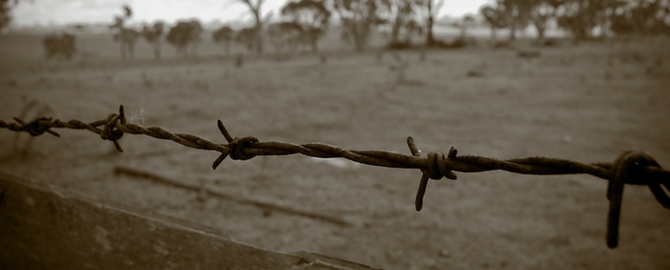
Barb Wire Fences in Brenham Texas: Wire, Posts and Open Country.
Interest in Barb Wire Fences near Brenham Texas begins with a line on a survey and a gate that needs to hold; a pasture fence carries a different load than a property line. Each strand is tied to posts at set spacing and pulled tight so the whole line works as one tensioned unit; a strong build begins with a clear plan for the line. Walk the line before any wire arrives, and note creeks, trees, rock, hills and low wet ground; a few photos of difficult spots help every conversation.
Ranch Boundary Lines: A Fence Both Neighbors Can Read.
Shared fences between neighbors work best when both owners agree on the line and on who will do the upkeep; a courteous conversation with the neighbor starts the process well. Fallen sections and leaning posts hide the original path; confirm the line before spending on materials.
What the Fence Has to Hold: Height, Strands and Spacing.
Goats and sheep slip through widely spaced strands, so they call for woven wire or additional strands near the bottom; a bottom strand set low turns back many small animals. Pens, chutes and working areas need stronger fencing than a pasture line; strong panels and pipe belong at the places where animals are handled.
The Backbone of a Rural Fence: Wood, Steel and Spacing.
Line posts between the corners can be wood or steel, set at regular intervals; clay soil that swells and shrinks can loosen shallow posts. Fence builders use augers, post drivers or hand tools depending on the soil; the ground line is where posts fail first.
Choosing the Wire: Reading the Specifications.
Galvanized coating protects the steel from rust, and heavier coatings last longer in wet climates; a spool of good wire is the heart of the fence. Barbs are spaced a few inches apart so that every point along the wire discourages stock; a uniform pattern looks neat and works well.
Tension Is What Makes It Work: One Strand at a Time.
Wire is unrolled along the line, fastened at one end, stretched with a come-along, tractor or fence stretcher and then tied off at the far end; each strand should be set before the next one goes on. A well-stretched fence gives a quiet ring when the strand is plucked; simple adjustments extend the life of the line.
Getting Trucks, Tractors and Stock Through: Pipe, Panel and Wire Gates.
Ranch gates run from a simple wire gate to a heavy pipe gate with welded frames and rugged hinges; a gate hung on a weak post sags in a few seasons. Wide gates may be double, with two leaves that meet in the center; a latch that works in the dark is a good test.
Creeks, Hills and Brush: Cedar, Yaupon and Vines.
Rock, roots and stumps interrupt the line and force changes to the post spacing; a fence built to give way in a flood is easier to restore. Fallen limbs are one of the most common causes of broken wire; steel posts handle fire better than wood.
The Installation Sequence: Posts, Wire and Gates.
Line posts are set or driven at even intervals along a string line stretched between the corners; the order of work keeps each step from undoing the last. Rain delays are common, since wet ground slows machines and makes clay hard to work; the right equipment turns days into hours.
Looking After a Rural Fence: A Simple Habit.
Replace broken clips and staples as soon as they are found; gates, corners and creek crossings get checked first. Wet months show where water pools or erodes the base of posts; tamp the soil around any loose post.
Practical Field Repairs: Splice, Reset, Rebrace.
A leaning post is reset, tamped and braced, or replaced if the wood has rotted at the base; repairs made correctly keep the rest of the fence tight. Steel T-posts bent by animals can be straightened or swapped; the repair should match the existing line in height and strand count.
A Fresh Start for a Worn Fence: Weighing Repair Against Replacement.
Old wire is cut into short sections, rolled up and hauled away, since loose wire is dangerous to animals and equipment; the old line is a map of where the fence needs to go. Property changes, such as adding horses or cutting a pasture in half, may call for a different fence; replacement beats patching when the same spots keep failing.
What Rural Fence Services Cover: Scope Matched to the Land.
Large jobs can be broken into phases that fit the season; combining repairs and new work saves trips. A good barb wire fence company can show finished fences, braces and gates; a vague proposal leaves room for surprises.
What Crosses and What Stays: Working With the Land.
White-tailed deer jump most fences without trouble, and they can tangle in wire when a leap goes wrong; walk the line after the season changes. Game fence, with tall woven wire, serves a different purpose than a standard cattle fence; clear agreements with tenants prevent damage to the line.
Fencing Around Water: Flood-Ready Crossings.
A fence around a stock tank leaves space for animals to drink without wearing the bank away; a flood-ready gap saves the rest of the fence. A trough placed beside the fence line can serve two pastures from one supply; shared water can mean shared maintenance.
Rotational Grazing Fences: Lanes and Drive Alleys.
Gates at corners let animals flow around a paddock instead of piling up; start with a map and a pencil. Permanent boundary fences are built heavier than temporary cross fences; the lightest fence that does the job is the right one.
When to Build: Spring Rains and Summer Heat.
Winter work suits pastures with no stock in them, and the cooler weather helps the crew; a flexible schedule beats a fixed date. Temporary panels can hold stock in one corner while the old line comes down; good neighbors make good fences.
Dry Weather and the Wire: Clear Corridors Slow the Spread.
Steel T-posts and galvanized wire come through a grass fire better than untreated wood; a mowed corridor also makes the fence easy to inspect. Replacement posts after a burn are steel for the next round; fire-weakened wire should be replaced rather than patched.
Let Us Walk the Line: Begin With What You Know.
A first conversation about Barb Wire Fences around Brenham Texas needs only a general idea of the line and the acreage; a clear brief leads to a clear plan. The people at Brenham Fencing can be reached at 979-221-2008 for a first conversation about the project; a few minutes on the phone can shape the whole plan.