
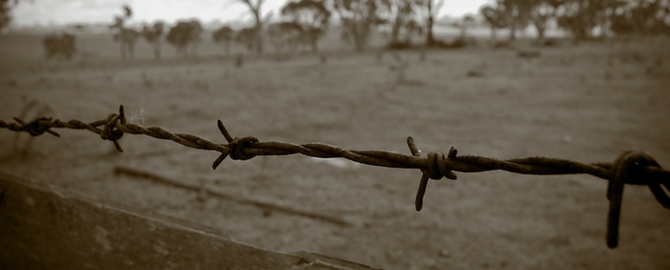
Barb Wire Fence Repair Around Brenham Texas: Boundary Lines and Livestock Pastures.
Planning Barb Wire Fence Repair in Brenham Texas starts with what the fence has to turn back and how far it has to run; the best fence for the job is the one that matches the animals and the ground. Each strand is tied to posts at set spacing and pulled tight so the whole line works as one tensioned unit; a strong build begins with a clear plan for the line. Walk the line before any wire arrives, and note creeks, trees, rock, hills and low wet ground; a clear walk-through saves hours of guessing later.
Boundary Fencing for Rural Land: Respecting Both Sides.
Survey pins or corner markers show where the legal line runs, and a surveyor can set them again if they are missing; clear lines make clear neighbors. Overgrown brush may need to be cleared before the line can be walked; a surveyor's mark settles the argument.
Livestock and Fence Design: Different Animals, Different Demands.
Cattle lean, rub and push against fences, so a stock fence needs sturdy posts and tight wire; a conversation about the herd comes before any decision about wire. Pens, chutes and working areas need stronger fencing than a pasture line; plan the heavy-traffic points before running wire.
Anchors for the Line: Strength Where the Pull Is Greatest.
An H-brace uses two posts and a horizontal rail, locked by a diagonal wire or rod, to keep a corner from leaning; the pull on a stretched wire is far greater than most owners expect. Fence builders use augers, post drivers or hand tools depending on the soil; a firm post is the starting point for a tight wire.
Wire, Barbs and Strands: Galvanized for the Long Haul.
Wire is sold by gauge and by coating weight, and a lower gauge number means thicker wire; thicker wire resists breaking when animals push it. The top strand sets the height, and the lower strands are spaced to stop animals from crawling through; a uniform pattern looks neat and works well.
Tension Is What Makes It Work: One Strand at a Time.
Strands are pulled to the right tension and clipped to each line post once they are tight; each strand should be set before the next one goes on. A well-stretched fence gives a quiet ring when the strand is plucked; a plucked strand should sing, not rattle.
Entrances for Working Land: Where the Traffic Goes.
Ranch gates run from a simple wire gate to a heavy pipe gate with welded frames and rugged hinges; cattle guards work only with a proper pit and good drainage. Gaps near creeks may need a swing gate with a floodable bottom; the entrance sets the first impression of the property.
Ground Conditions Along the Line: The Hardest Stretches.
Wet ground makes post holes fill with water and slows the work; patience through rough sections pays off in the long run. Fallen limbs are one of the most common causes of broken wire; quick repairs prevent animals from getting out.
The Installation Sequence: A Practical Order of Work.
Line posts are set or driven at even intervals along a string line stretched between the corners; every corner must be solid before any wire is stretched. Open pasture goes quickly, while wooded stretches take longer; a clear schedule helps the owner plan around the work.
Walking the Fence Line: Before Trouble Starts.
Tighten strands that have gone slack with a stretcher or a quick splice; small repairs keep a boundary secure. Hog rooting along the line can undermine posts and wire; a mower or brush cutter keeps the corridor open.
Fixing Breaks Fast: Quick Fixes and Lasting Fixes.
A leaning post is reset, tamped and braced, or replaced if the wood has rotted at the base; repairs made correctly keep the rest of the fence tight. Gate hinges that have pulled out of the post are reset in new holes; a careful fix looks like part of the original build.
A Fresh Start for a Worn Fence: Reusing What Is Sound.
Barb wire fence replacement makes sense when posts have rotted, wire has rusted through and corners no longer hold; removing old wire along the creek and the brush is hard work. A fence that has been patched many times may be a candidate for a new build; clean ground is the start of a good new fence.
From a Single Gate to Miles of Wire: Start Anywhere.
A request for barb wire fence services can start with a single storm-damaged span or with a whole pasture that needs a new line; describing the property in plain words is the best start. A good barb wire fence company can show finished fences, braces and gates; trust builds from specifics.
Deer, Wildlife and Wire: Spacing That Protects Wildlife.
A smooth bottom strand set a little higher lets fawns and small animals pass beneath the barbs; the fence is meant to hold cattle, not to trap anything else. Gates left open at certain times let animals move through between pastures; keep gates closed whenever livestock are near.
Tanks, Ponds and Water Gaps: Keeping Stock Out of Muddy Edges.
A fence around a stock tank leaves space for animals to drink without wearing the bank away; a sturdy gate at the pond keeps stock where they belong. Gravel around troughs keeps the ground firm and reduces mud; strong posts belong where animals gather.
Dividing Land Into Paddocks: Smaller Fields, Healthier Grass.
Water placed to serve more than one paddock reduces the number of tanks needed; planning the whole property saves rework. Hay fields need fences that keep stock out until the grass is cut; a plan on paper is easier to change than a fence in the ground.
Scheduling Fence Work on a Ranch: Dry Ground, Open Calendar.
Summer heat is hard on crews and on stretched wire, which slackens in the sun; book fence work around the busiest weeks. Moving stock out of a pasture before work begins keeps animals and workers safe; open gaps overnight are risky.
Heat, Drought and Rural Fences: Clear Corridors Slow the Spread.
Steel T-posts and galvanized wire come through a grass fire better than untreated wood; tamp loose posts while the soil is still workable. Replacement posts after a burn are steel for the next round; test posts by pushing and pulling after any fire.
Let Us Walk the Line: Begin With What You Know.
Anyone ready to move ahead on Barb Wire Fence Repair in Brenham Texas can start with the boundary, the stock and the gates; questions are welcome at every stage. The people at Brenham Fencing can be reached at 979-221-2008 for a first conversation about the project; start wherever you are.