
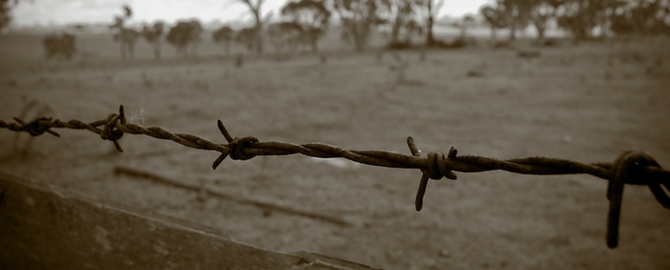
Barb Wire Fences for Services Land: Boundary Lines and Livestock Pastures.
Interest in Barb Wire Fences near Services begins with a line on a survey and a gate that needs to hold; miles of wire reward careful planning at the start. Barbed wire stays in use on ranches because it is tough, visible and easy to repair in the field; every part of the system depends on the strength of the corners. Decide which side of the line the posts will stand on; small decisions at this stage shape the whole project.
Marking the Edge of the Property: Know Where the Line Runs.
Corner posts are set at the points where the line changes direction; local rules on rural fences vary, so ask a knowledgeable person in the county. Old fence lines can wander off the true boundary over time; confirm the line before spending on materials.
Cattle, Horses and Hogs: Planning Around the Stock.
Feral hogs root under fences and may need a low strand pulled close to the ground; five strands cover more situations than three. Water gaps at creek crossings need special design so floods do not take the fence away; smaller paddocks help grass recover between grazing.
Setting Wood and Steel: Depth Makes the Difference.
Cedar and treated pine are the traditional wood choices for rural posts; post spacing depends on the terrain and the type of stock. In black clay, posts need good depth and tamped backfill to resist heaving; rock changes the plan quickly.
What the Strands Do: Two Strands Twisted Together.
Barbed wire is made of two line wires twisted together, with sharp barbs wrapped around them at set intervals; humid summers wear down thin galvanizing quickly. Stays are short vertical wires or posts that keep the strands evenly spaced; clips that grip without cutting the coating are worth having.
A Taut Fence Is a Strong Fence: Tools, Order and Patience.
Wire is unrolled along the line, fastened at one end, stretched with a come-along, tractor or fence stretcher and then tied off at the far end; temperature at the time of stretching affects the final result. A strainer or tensioner lets the owner adjust the wire later without cutting it; the fence should be checked for tension again after a few weeks.
Openings in the Fence Line: Choosing the Right Opening.
A main entrance needs enough width for a hay truck or a stock trailer; a gate hung on a weak post sags in a few seasons. A wire gate is light and easy to move, and a pipe gate stands up to heavy use; each leaf should clear the ground by a small, even margin.
Rural Terrain: A Corridor Cut Through the Cover.
Wet ground makes post holes fill with water and slows the work; slopes pull wire downhill and shift loads. Grass fires and prescribed burns can scorch wood posts along the line; steel posts handle fire better than wood.
From Clearing to the Last Strand: From Survey Pin to Final Tie.
The strands are then rolled out, pulled tight and fastened to every post; small adjustments at the end make a big difference. Rain delays are common, since wet ground slows machines and makes clay hard to work; cleanup is part of the job.
Looking After a Rural Fence: A Simple Habit.
Check for loose wire, missing clips, leaning posts, rusted spots and brush growing through the strands; a walk after storms catches damage quickly. Spring growth hides the fence, so cutting a path along the line makes inspection easier; tamp the soil around any loose post.
Fixing Breaks Fast: Storm Damage on the Wire.
A leaning post is reset, tamped and braced, or replaced if the wood has rotted at the base; temporary fixes should be replaced by proper ones soon. Gate hinges that have pulled out of the post are reset in new holes; one break can point to a larger problem.
Barb Wire Fence Replacement: Reusing What Is Sound.
New corners and braces are almost always worth building even when the line posts are reused; an honest look at the old fence guides the decision. Removing old wire and posts clears the corridor for a straighter new line; scrap metal is worth taking to a recycler.
The Range of Ranch Fence Work: Start Anywhere.
Crews that build rural fence can also set corner assemblies, hang pipe gates and install cattle guards; describing the property in plain words is the best start. Ask how corners are built, how deep posts are set and how wire is stretched and tied; a vague proposal leaves room for surprises.
Wildlife on the Line: Spacing That Protects Wildlife.
A smooth bottom strand set a little higher lets fawns and small animals pass beneath the barbs; a little extra care in the design prevents tangles. Game fence, with tall woven wire, serves a different purpose than a standard cattle fence; keep gates closed whenever livestock are near.
Tanks, Ponds and Water Gaps: Protecting Water Quality.
A fence around a stock tank leaves space for animals to drink without wearing the bank away; clean water keeps the herd healthy. Shade near the water draws stock and heavy use, so the fence there needs extra strength; strong posts belong where animals gather.
Rotational Grazing Fences: Lanes and Drive Alleys.
A lane or alley between pastures lets stock move from field to field without being loaded on a trailer; start with a map and a pencil. Portable electric fence helps in a rotation while the permanent line stays strong; the herd should shape the layout and not the other way around.
Timing the Work Around the Seasons: Planning Ahead.
Winter work suits pastures with no stock in them, and the cooler weather helps the crew; planning early gives the best choice of dates. A short gap in the line is closed with a gate or temporary wire at the end of each day; stacked posts keep better than posts left in the weeds.
Heat, Drought and Rural Fences: Cracked Ground, Loose Posts.
Steel T-posts and galvanized wire come through a grass fire better than untreated wood; tamp loose posts while the soil is still workable. Wire that has been through a hot fire loses temper and breaks under load; test posts by pushing and pulling after any fire.
Next Steps for Your Land: Boundary, Stock and Gates.
Anyone ready to move ahead on Barb Wire Fences in Services can start with the boundary, the stock and the gates; the crew can take it from there. The people at Brenham Fencing can be reached at 979-221-2008 for a first conversation about the project; start wherever you are.