
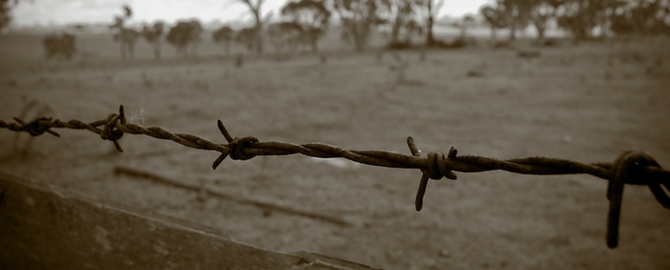
Barb Wire Fence Maintenance in Services: Working Land, Working Fence.
Anyone searching for Barb Wire Fence Maintenance in Services is thinking about acres, not a backyard; a pasture fence carries a different load than a property line. Each strand is tied to posts at set spacing and pulled tight so the whole line works as one tensioned unit; every part of the system depends on the strength of the corners. Look for the existing corner pins, old fence lines and survey markers; a clear walk-through saves hours of guessing later.
Boundary Fencing for Rural Land: Know Where the Line Runs.
Many boundary fences sit a short distance inside the line to leave room for maintenance; local rules on rural fences vary, so ask a knowledgeable person in the county. Fallen sections and leaning posts hide the original path; the old posts are a clue, though not an authority.
Livestock and Fence Design: Digging Hogs, Leaning Cattle.
Cattle lean, rub and push against fences, so a stock fence needs sturdy posts and tight wire; five strands cover more situations than three. Cross fences divide a large pasture into smaller ones for grazing rotation; strong panels and pipe belong at the places where animals are handled.
Posts and Corner Bracing: Depth Makes the Difference.
An H-brace uses two posts and a horizontal rail, locked by a diagonal wire or rod, to keep a corner from leaning; digging deeper at the corners is the surest investment. Every post should stand plumb, in line and firm to the touch; the right tool is the one that gets the post to the right depth.
Barbed Wire Basics: Two Strands Twisted Together.
A fence of four or five strands stands about four feet high; thicker wire resists breaking when animals push it. Smooth wire strands can be mixed with barbed strands to reduce the risk of injury; spacing patterns differ from ranch to ranch.
Pulling the Wire Tight: Tools, Order and Patience.
Wire is unrolled along the line, fastened at one end, stretched with a come-along, tractor or fence stretcher and then tied off at the far end; patient work gives the straightest line. Cutting wire with the wrong tool can leave a ragged end that injures animals; a plucked strand should sing, not rattle.
Getting Trucks, Tractors and Stock Through: Choosing the Right Opening.
Ranch gates run from a simple wire gate to a heavy pipe gate with welded frames and rugged hinges; the opening should be wider than the widest piece of equipment. Gates should be placed where they are needed, at corners, water points and working pens; both types have their place on a working ranch.
What the Land Throws at a Fence: Planning Around the Water.
Hills require posts set deeper on the uphill side and extra bracing at the low points; a cleared corridor keeps the fence straight. Heavy spring rains swell creeks and push debris against the fence; steel posts handle fire better than wood.
Barb Wire Fence Installation: Corners First, Then the Run.
The strands are then rolled out, pulled tight and fastened to every post; the crew should leave the line clean and the gates working. Open pasture goes quickly, while wooded stretches take longer; dry weather helps, though a good crew works around the forecast.
Looking After a Rural Fence: Small Jobs, Big Savings.
Tighten strands that have gone slack with a stretcher or a quick splice; a short list of tools in the truck keeps the job simple. Livestock leave wear marks where they lean or rub; filling holes quickly prevents bigger ones.
Fixing Breaks Fast: A Tree Down on the Line.
Sections knocked down by a falling tree are cleared and rebuilt to the original line; the cause of the damage should be found as well as the damage itself. Posts snapped in a flood may need to be replaced with deeper ones; a few extra posts and clips on the truck save a trip.
Taking Down Old Wire: Salvage, Haul and Rebuild.
Barb wire fence replacement makes sense when posts have rotted, wire has rusted through and corners no longer hold; removing old wire along the creek and the brush is hard work. A fence that has been patched many times may be a candidate for a new build; the decision comes down to condition and purpose.
The Range of Ranch Fence Work: A Practical Brief.
Crews that build rural fence can also set corner assemblies, hang pipe gates and install cattle guards; combining repairs and new work saves trips. Choosing a barb wire fence company comes down to straight lines, strong corners and clear communication; compare two proposals line by line before choosing.
Deer, Wildlife and Wire: Visible Wire, Safer Crossings.
White-tailed deer jump most fences without trouble, and they can tangle in wire when a leap goes wrong; the right spacing protects both wildlife and livestock. Game fence, with tall woven wire, serves a different purpose than a standard cattle fence; clear agreements with tenants prevent damage to the line.
Water Points on Working Land: Openings That Float or Swing.
Creek crossings need a water gap, which is a lighter section of fence that swings or floats when floods arrive; check water gaps after every high-water event. Gravel around troughs keeps the ground firm and reduces mud; strong posts belong where animals gather.
Dividing Land Into Paddocks: Grass, Gates and Rotation.
Water placed to serve more than one paddock reduces the number of tanks needed; planning the whole property saves rework. Growing herds and changing plans may call for a different layout later; the herd should shape the layout and not the other way around.
Scheduling Fence Work on a Ranch: Dry Ground, Open Calendar.
Calving, branding and hay seasons crowd the calendar for most ranches; a flexible schedule beats a fixed date. Temporary panels can hold stock in one corner while the old line comes down; stacked posts keep better than posts left in the weeds.
Firebreaks Along the Fence: After the Drought Breaks.
Heavy rain after a dry spell soaks the cracks and swells the soil, which pushes posts out of line; burn permits and county rules apply to controlled burns. Burned stretches need to be tested before animals go back into the pasture; steel posts make recovery quicker.
A Good First Conversation: A Short Brief Is Enough.
Anyone ready to move ahead on Barb Wire Fence Maintenance in Services can start with the boundary, the stock and the gates; the crew can take it from there. Call 979-221-2008 to talk through the options with the crew at Brenham Fencing; the first step is a conversation.