
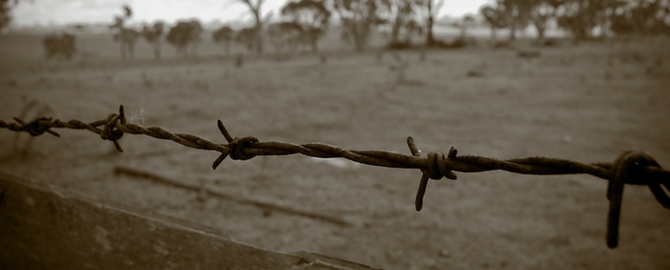
Barb Wire Fence Repair Across Services: Rural Fencing That Holds Stock.
Planning Barb Wire Fence Repair in Services starts with what the fence has to turn back and how far it has to run; cattle, horses, goats and hogs each test a fence in their own way. Strands of twisted wire with sharp barbs spaced along them teach livestock to respect the line; ranch owners know that a loose wire is a broken fence. Walk the line before any wire arrives, and note creeks, trees, rock, hills and low wet ground; a few photos of difficult spots help every conversation.
Ranch Boundary Lines: Know Where the Line Runs.
Shared fences between neighbors work best when both owners agree on the line and on who will do the upkeep; local rules on rural fences vary, so ask a knowledgeable person in the county. Old fence lines can wander off the true boundary over time; the old posts are a clue, though not an authority.
Pasture Fencing for Every Herd: Planning Around the Stock.
Feral hogs root under fences and may need a low strand pulled close to the ground; a bottom strand set low turns back many small animals. Water gaps at creek crossings need special design so floods do not take the fence away; strong panels and pipe belong at the places where animals are handled.
Posts and Corner Bracing: Wood, Steel and Spacing.
Line posts between the corners can be wood or steel, set at regular intervals; digging deeper at the corners is the surest investment. In sandy or rocky ground, a post may need extra depth or concrete to stay in place; the ground line is where posts fail first.
Barbed Wire Basics: Galvanized for the Long Haul.
Barbed wire is made of two line wires twisted together, with sharp barbs wrapped around them at set intervals; thicker wire resists breaking when animals push it. Smooth wire strands can be mixed with barbed strands to reduce the risk of injury; the details of fastening affect how the fence ages.
Tension Is What Makes It Work: Not Too Tight, Not Too Loose.
Wire is unrolled along the line, fastened at one end, stretched with a come-along, tractor or fence stretcher and then tied off at the far end; the stretch is the stage that tests the corners. Barbs should face the side where the stock is kept; the fence should be checked for tension again after a few weeks.
Gates, Cattle Guards and Access: Width, Hardware and Placement.
Chains, latches and locks keep animals and trespassers from opening a gate; cattle guards work only with a proper pit and good drainage. Wide gates may be double, with two leaves that meet in the center; a latch that works in the dark is a good test.
What the Land Throws at a Fence: Planning Around the Water.
Brush, vines and young cedar grow where the fence line needs to run, so clearing comes before building; patience through rough sections pays off in the long run. Fallen limbs are one of the most common causes of broken wire; after every storm, walk the fence and look for damage.
How a Rural Fence Goes Up: Corners First, Then the Run.
Gates are placed in the openings, hung on heavy posts and adjusted until they close cleanly; a tight string line keeps the posts honest. Rain delays are common, since wet ground slows machines and makes clay hard to work; the right equipment turns days into hours.
A Seasonal Routine: What to Check and When.
Check for loose wire, missing clips, leaning posts, rusted spots and brush growing through the strands; a walk after storms catches damage quickly. Livestock leave wear marks where they lean or rub; a mower or brush cutter keeps the corridor open.
Mending Wire, Posts and Gates: Keep the Herd Where It Belongs.
Corner assemblies that shift need to be rebuilt before the wire can be restretched; a fresh splice should be tested for tension. Gate hinges that have pulled out of the post are reset in new holes; a careful fix looks like part of the original build.
A Fresh Start for a Worn Fence: Weighing Repair Against Replacement.
Old wire is cut into short sections, rolled up and hauled away, since loose wire is dangerous to animals and equipment; new materials suit new uses of the land. Removing old wire and posts clears the corridor for a straighter new line; replacement beats patching when the same spots keep failing.
The Range of Ranch Fence Work: Start Anywhere.
Some owners need only advice on strand count, post spacing or the best layout for a rotation; combining repairs and new work saves trips. A good barb wire fence company can show finished fences, braces and gates; a crew that walks the line with you is paying attention.
Fences and the Animals That Cross Them: Deer Season on the Fence Line.
Wire spaced wider near the top lowers the chance that a deer catches a hoof; many ranches value wildlife and fence design together. Game fence, with tall woven wire, serves a different purpose than a standard cattle fence; a gap at a creek crossing can serve as a natural path.
Fencing Around Water: Openings That Float or Swing.
Posts set near the bank need extra depth to resist undercutting; a flood-ready gap saves the rest of the fence. Shade near the water draws stock and heavy use, so the fence there needs extra strength; a clear bank is a safer bank.
Rotational Grazing Fences: Smaller Fields, Healthier Grass.
A lane or alley between pastures lets stock move from field to field without being loaded on a trailer; start with a map and a pencil. Permanent boundary fences are built heavier than temporary cross fences; the herd should shape the layout and not the other way around.
Choosing the Right Window: Dry Ground, Open Calendar.
Spring rains soften clay and slow machines, and heavy storms can turn a pasture into mud; the forecast sets the pace as much as the crew does. Communicating the plan with neighbors avoids surprises on shared lines; stacked posts keep better than posts left in the weeds.
Firebreaks Along the Fence: Cracked Ground, Loose Posts.
Prolonged drought cracks clay deeply, and the cracks loosen shallow posts and let braces shift; burn permits and county rules apply to controlled burns. Gates and braces made of wood need the same inspection; test posts by pushing and pulling after any fire.
A Good First Conversation: Simple Starting Points.
A first conversation about Barb Wire Fence Repair around Services needs only a general idea of the line and the acreage; a good fence begins with a good conversation. The people at Brenham Fencing can be reached at 979-221-2008 for a first conversation about the project; the first step is a conversation.