
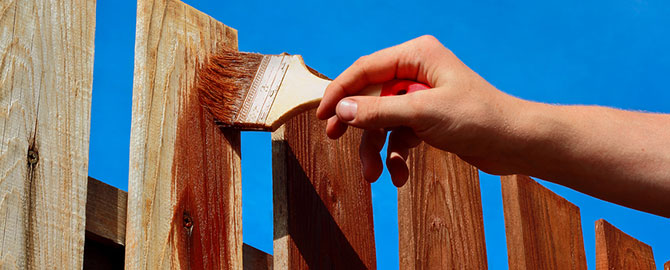
Fence Staining Services Around Services: Staining, Sealing and Paint.
A homeowner weighing Fence Staining Services around Services is dealing with gray boards, peeling color or a fence that has never been finished; the work is simple to describe and easy to do poorly. The right choice depends on the type of wood, its age and the look the owner wants; the old coating decides what can go on top. Walk the fence in daylight and look for gray, splintered boards, loose pickets, popped nails and green patches; those clues set the plan for the whole job.
Painting, Staining or Sealing: Looks, Wear and Upkeep.
Semi-transparent stain adds color while letting the grain and knots stay visible; neither approach is better in every case. Products made for fences are thin enough to soak in instead of sitting on top; a sample board shows how the color turns out in real light.
Preparing the Surface: Why Prep Takes the Longest.
A fence has to be clean before any finish goes on, and that means washing away dirt, pollen, mildew and algae; sanding rough spots gives a smoother look. Nail heads that have popped are driven back or swapped for screws; the crew should protect the lawn, siding and shrubs.
Weather Rules for Wet Wood: Boards Must Be Dry.
New pressure-treated wood holds a lot of moisture and needs time to dry before it accepts a stain; a moisture meter takes the guesswork out of the timing. Sprinklers need to be switched off while the finish dries; the owner can help by keeping the yard quiet.
The Process of Staining a Wood Fence: Applying Stain With Care.
Two thin coats applied wet-on-wet give more depth than one thick coat; thin coats soak in, and thick coats sit on top and peel. Cedar, pine and cypress each take stain differently, so the same color looks different on each; a matching top rail finishes the look.
The Painting Process: Color That Covers Evenly.
The top edges of boards and the gaps between pickets need coverage, since water sneaks in at those points; white and light colors hide dirt less than medium tones do. Gates and hardware are masked or painted separately so they keep working; spots of rust return if they are only covered.
Sealers That Slow Weathering: End Grain and Edges.
Tinted sealers add a trace of color and give extra protection against fading; a fence in full sun wears through its coating faster. Fences in shade grow mildew faster, and fences in full sun fade and crack faster; thin coats are better than heavy ones.
The Range of Finishing Work: A Clear Plan Before the Brush.
The scope can include cleaning, board replacement, stain, sealer and cleanup; clear scope prevents confusion about what is included. Fence painting services follow a similar path, with extra steps for priming, caulking and multiple coats; moving furniture before the crew arrives helps.
Choosing a Fence Staining Company: Plain Answers to Plain Questions.
A fence painting company that does careful work will talk about preparation before it talks about color; comparing two proposals line by line is worth the time. A final walk-through with the owner is a good sign; ask for the color on a hidden board first.
Sun, Style and Approvals: Fading and Heat Gain.
Natural wood tones fade into landscape and hide small flaws; look at the sample at different times of day. Matching a gate to the fence keeps the line looking consistent; a sample board is a small investment that prevents big regrets.
Maintenance Between Coats: Water Test, Wash and Recoat.
Water that no longer beads on the boards is the signal that the sealer or stain is worn and a refresh is due; small touch-ups are easier than a full redo. Fences get tired from sun, rain, humidity and the occasional storm, and a finish is the layer that takes the beating; touch up the gate before the rest of the fence.
What the Species Wants: Soft, Hard and Treated.
Cedar holds natural oils and tannins that can bleed through light paint, so a stain-blocking primer matters; each wood has a product that suits it. Pine boards that have been in the sun cup and check, so fasteners need tightening before finishing; the wood's story is written on its surface.
Redoing a Tired Finish: Strip When Needed.
An old finish decides what can go on top, because oil stain over latex paint or paint over wax can fail; a clean start gives the longest-lasting result. Gray, weathered wood takes stain unevenly until it is cleaned and brightened; repeat the same prep on every section.
Application Methods: Smooth Coats Without Runs.
Pump sprayers are good for thin stains and sealers on small fences; tips and pressure settings matter to the quality of the result. Wipe drips and runs right away, before they dry into the surface; thorough mixing keeps the color the same from top to bottom of the can.
Care for the Surroundings: A Clean Yard at the End.
Siding, brick and windows near the fence line are masked before spraying; water runs downhill, so plan the washing around the slope. Pets and children stay clear of the work area until the finish has dried; oily rags can heat up and need careful handling.
Posts and Gates Deserve Extra Care: Details That Make It Look Professional.
Post tops take the worst of the weather, so end grain gets extra coats or a cap that sheds water; the unseen edges decide how long the finish lasts. A small brush handles tight corners and tricky joints; patience on the details pays off.
Staining a Brand-New Fence: Mill Glaze and Moisture.
Untreated cedar and cypress can be finished sooner than treated pine; a moisture meter gives a firm answer. Clear sealer on new wood is a gentle first step; ask about the lumber that was used.
Mildew, Algae and Humid Summers: Stopping Regrowth.
Warm, humid weather feeds mildew and algae on fence boards, especially on shaded sides and low sections; dry boards are happier boards. Sprinklers that hit the fence feed mildew and wash away finish; adjusting a sprinkler head solves many problems.
A Typical Sequence of Work: Walk-Through at Each Stage.
A closing walk checks coverage, drips, hardware and the condition of the yard; the weather can stretch the schedule, and that is normal. Two-sided fences double the surface that has to be finished; ask for a rough schedule and for notice if it changes.
Ready to Start: Simple Starting Points.
Choosing Fence Staining Services near Services goes more smoothly with photos and a few sentences about how the fence has aged; a good finish begins with a good conversation. Dial 979-221-2008 and describe the fence to Brenham Fencing in your own words; the first step is a conversation.