
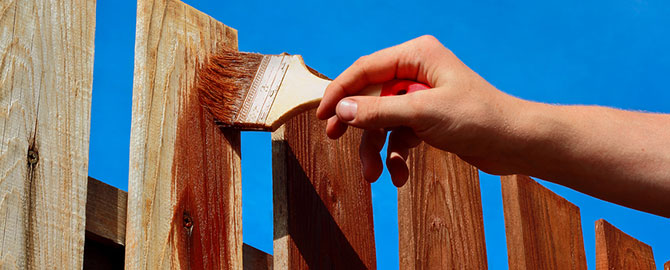
Fence Painting Around Brenham Texas: A Fence Worth Refreshing.
A homeowner weighing Fence Painting around Brenham Texas is dealing with gray boards, peeling color or a fence that has never been finished; sun, rain and humidity do the damage that a finish is meant to slow. Fences made of vinyl, metal or composite follow different rules than wood; the finish on the label is only half of the picture. Walk the fence in daylight and look for gray, splintered boards, loose pickets, popped nails and green patches; a board that soaks up water needs a new coat.
Which Finish Fits the Fence: Looks, Wear and Upkeep.
Stain lets the grain show through and wears away gradually, so it fades instead of flaking; the finish chosen sets the upkeep for seasons to come. Primer helps paint grip bare wood and stops tannins in cedar from bleeding through; read the label for the surface the product was made to cover.
Preparing the Surface: Soft Wash or Pressure Wash.
A fence has to be clean before any finish goes on, and that means washing away dirt, pollen, mildew and algae; prep takes more hours than the painting itself. Sagging gates are rehung and squared; patches must be sanded smooth before staining.
Picking the Right Day: Boards Must Be Dry.
A dry spell of several days after washing lets the boards reach a safe moisture level; rain within a day of finishing can streak the surface. Humid air slows drying, and a coat that stays tacky overnight can collect dust and pollen; a calm day makes for a clean coat.
The Process of Staining a Wood Fence: Absorption Is the Secret.
Transparent stain barely changes the color of the wood, while semi-transparent stain adds a warm tone and solid stain nearly hides the grain; the old finish limits how dark the new color can go. Fresh wood is lighter and soaks up more product than weathered wood; try the color on the actual fence before committing.
The Painting Process: Brush, Roller or Sprayer.
The top edges of boards and the gaps between pickets need coverage, since water sneaks in at those points; white and light colors hide dirt less than medium tones do. Rails and posts receive full coverage on all sides; a product made for another material may fail quickly.
A Clear Coat on Wood: Sun Protection in a Can.
Sealers and stains can come in one product, which saves a step; re-sealing is easier than stripping and refinishing. Fences in shade grow mildew faster, and fences in full sun fade and crack faster; the label states how long to wait before the second coat.
What Staining Services Cover: Start Anywhere.
Some owners want only advice on products, colors and timing; photos of the fence help the crew prepare. A good plan covers what happens to plants, lawn furniture and nearby surfaces; small touch-ups are easiest on the day of the job.
Marks of a Careful Finisher: Prep Tells the Story.
Ask which products will go on the fence and what the label says about weather and surface; comparing two proposals line by line is worth the time. A careful fence staining company or painting crew protects plants and surfaces and leaves the yard clean; small habits reveal the quality of the work.
Choosing a Color That Works: House Colors and Landscape.
Dark colors look rich but absorb heat, which can warp vinyl and stress thin boards in summer sun; some neighborhoods list approved colors. Matching a gate to the fence keeps the line looking consistent; ask for written approval where rules apply.
Keeping the Finish Fresh: Fading, Peeling and Mildew.
Sprinklers aimed away from the fence keep the boards drier between rains; scrape and fix problems as soon as they appear. Cleaning gutters, hoses and sprinklers that splash the fence prevents stains; the finish works best when the fence can dry.
Reading the Wood Under the Finish: Soft, Hard and Treated.
Cypress resists moisture on its own and weathers to a soft silver when left alone; knots can bleed resin and need a sealing coat. Weathered cedar turns silver gray, and washing with a brightener brings the warm color back; the wood's story is written on its surface.
Layers From Earlier Coats: Compatible Layers Only.
An old finish decides what can go on top, because oil stain over latex paint or paint over wax can fail; stripping is hard work, so it is saved for fences that need it. Gray, weathered wood takes stain unevenly until it is cleaned and brightened; plan the color with the existing finish in mind.
Brushes, Rollers and Sprayers: Back-Brushing Beats Spraying Alone.
Brushes push finish into the grain and into joints that a spray misses; spraying and back-brushing together give the best of both. Keep a wet edge when moving from board to board to avoid lap marks; a steady rhythm keeps the finish consistent.
Care for the Surroundings: Pets and Children.
Drop cloths catch drips on patios, walkways and grass; water runs downhill, so plan the washing around the slope. Neighbors on the far side should hear about the work in advance; a note to the neighbor is a polite first step.
Gates, Posts, Caps and Hardware: Tops, Edges and Hinges.
Hinges, latches and wheels are masked or removed so paint never gums them up; hardware coated by accident can stiffen and stick. Fence panels that meet a house wall need a clean line where paint stops; check that every gate still opens smoothly.
New Wood Rules: The Water Drop Test.
Smooth mill glaze on fresh lumber can block stain, so a light wash or sanding opens the surface; waiting too long lets the sun do damage that a finish could have prevented. Clear sealer on new wood is a gentle first step; keep a record of the products used for next time.
Cleaning What Humidity Leaves Behind: Breathing Room for Boards.
A fence that gets air and sun dries faster and stays cleaner; cut back plants that crowd the boards. Trees that shade the fence keep the damp in; the cause matters as much as the cleanup.
How a Finishing Job Unfolds: Wash, Dry, Repair, Coat.
A closing walk checks coverage, drips, hardware and the condition of the yard; each step depends on the one before. Two-sided fences double the surface that has to be finished; a flexible plan beats a rushed coat.
Let Us Walk the Fence: Begin With What You See.
Anyone ready to move ahead on Fence Painting in Brenham Texas can start with the wood, the old finish and the look they want; nothing more is needed to begin. Reach the team at Brenham Fencing on 979-221-2008 with questions about prep, stain or color; the first step is a conversation.