
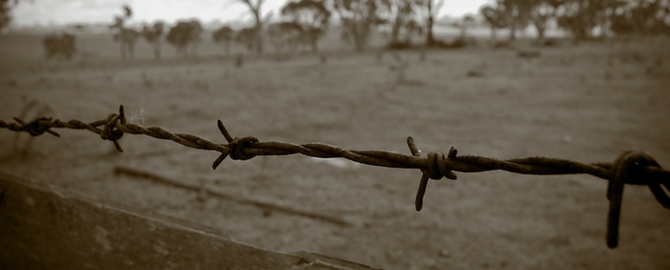
Barb Wire Fence Installation in Brenham Texas: Ranch Lines Built to Last.
A landowner weighing Barb Wire Fence Installation around Brenham Texas is protecting a boundary, a herd or a hay field; cattle, horses, goats and hogs each test a fence in their own way. Rural fencing rests on a few parts that have to work together, and those are corner assemblies, line posts, strands and gates; a strong build begins with a clear plan for the line. Decide which side of the line the posts will stand on; the surveyed line governs, and the fence follows it.
Property Lines Made Visible: Respecting Both Sides.
Survey pins or corner markers show where the legal line runs, and a surveyor can set them again if they are missing; the fence should sit where the survey says and not where habit suggests. Overgrown brush may need to be cleared before the line can be walked; clearing the corridor first makes the new fence straighter.
Pasture Fencing for Every Herd: Different Animals, Different Demands.
Bulls and young calves test the wire in different places, and the lowest and highest strands matter most; the type of animal sets the height and the spacing. Electric wire added to the top or bottom of a fence can discourage leaning; smaller paddocks help grass recover between grazing.
Anchors for the Line: Wood, Steel and Spacing.
Steel T-posts are driven into the ground and are quick to install along a straight line; a weak corner fails every strand at once. Wet areas call for treated wood or steel, since untreated wood rots at the ground line; the ground line is where posts fail first.
Gauges, Coatings and Spacing: Weather and Wire.
High-tensile wire holds more tension with less sag, while standard wire is easier to work by hand; thicker wire resists breaking when animals push it. Barbs are spaced a few inches apart so that every point along the wire discourages stock; clips that grip without cutting the coating are worth having.
A Taut Fence Is a Strong Fence: Weather Changes the Tension.
Wire is unrolled along the line, fastened at one end, stretched with a come-along, tractor or fence stretcher and then tied off at the far end; each strand should be set before the next one goes on. Cutting wire with the wrong tool can leave a ragged end that injures animals; the fence should be checked for tension again after a few weeks.
Ranch Gates: Width, Hardware and Placement.
Ranch gates run from a simple wire gate to a heavy pipe gate with welded frames and rugged hinges; cattle guards work only with a proper pit and good drainage. Gaps near creeks may need a swing gate with a floodable bottom; both types have their place on a working ranch.
Ground Conditions Along the Line: Planning Around the Water.
Rock, roots and stumps interrupt the line and force changes to the post spacing; a cleared corridor keeps the fence straight. Fallen limbs are one of the most common causes of broken wire; a fence built to local conditions suffers less.
From Clearing to the Last Strand: A Practical Order of Work.
Gates are placed in the openings, hung on heavy posts and adjusted until they close cleanly; the crew should leave the line clean and the gates working. Equipment such as skid steers, augers and post drivers speeds the work on long runs; cleanup is part of the job.
Walking the Fence Line: What to Check and When.
Barb wire fence maintenance comes down to walking the line and fixing small problems before animals find them; small repairs keep a boundary secure. Dry months reveal where posts have loosened in cracked ground; a mower or brush cutter keeps the corridor open.
When a Strand Snaps or a Post Leans: A Tree Down on the Line.
A broken strand is spliced with a tight wrap or a sleeve after the ends are pulled together; a fresh splice should be tested for tension. After a repair, walk the whole section for any other weak points; a careful fix looks like part of the original build.
When an Old Fence Reaches the End: Salvage, Haul and Rebuild.
Old wire is cut into short sections, rolled up and hauled away, since loose wire is dangerous to animals and equipment; an honest look at the old fence guides the decision. Removing old wire and posts clears the corridor for a straighter new line; clean ground is the start of a good new fence.
Beyond a New Line: Scope Matched to the Land.
Crews that build rural fence can also set corner assemblies, hang pipe gates and install cattle guards; a quick sketch of the boundary helps the conversation. A good barb wire fence company can show finished fences, braces and gates; the fence will be judged by its corners for as long as it stands.
What Crosses and What Stays: Visible Wire, Safer Crossings.
Hogs, armadillos and coyotes test the bottom of the fence and look for gaps; walk the line after the season changes. Hunting leases bring extra traffic along the fence line; planning for animals starts with watching where they go.
Ponds, Creeks and Troughs: Protecting Water Quality.
A fence around a stock tank leaves space for animals to drink without wearing the bank away; a sturdy gate at the pond keeps stock where they belong. Gravel around troughs keeps the ground firm and reduces mud; a clear bank is a safer bank.
Working Pens and Alleys: Handling Facilities in the Plan.
Water placed to serve more than one paddock reduces the number of tanks needed; planning the whole property saves rework. Every new fence adds maintenance, so each line should earn its place; build the boundary first and the cross fences second.
When to Build: Spring Rains and Summer Heat.
Winter work suits pastures with no stock in them, and the cooler weather helps the crew; planning early gives the best choice of dates. Communicating the plan with neighbors avoids surprises on shared lines; the herd is the reason for the fence, so protect it during the work.
Heat, Drought and Rural Fences: Cracked Ground, Loose Posts.
Heavy rain after a dry spell soaks the cracks and swells the soil, which pushes posts out of line; prepare the line before the hottest months arrive. Wire that has been through a hot fire loses temper and breaks under load; test posts by pushing and pulling after any fire.
Ready to Start: A Short Brief Is Enough.
Planning Barb Wire Fence Installation across Brenham Texas begins with a walk along the edge of the property and a few honest notes; the crew can take it from there. Get in touch with Brenham Fencing at 979-221-2008 and share what the fence needs to hold; start wherever you are.